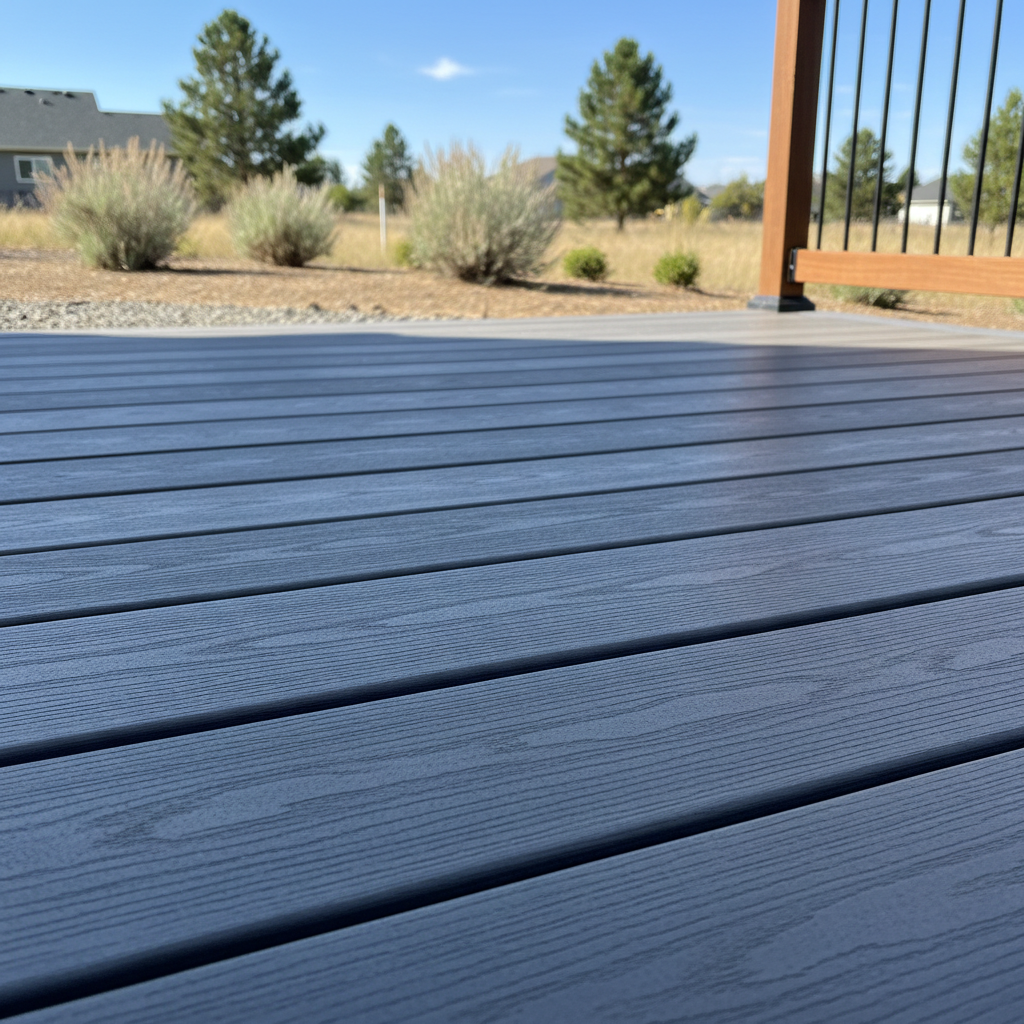
What exactly *is* composite decking made of?
Good question, because it's not just plastic. Most composite decking is a blend of wood fibers and recycled plastics. Think of it like a really tough, engineered material. The wood fibers, often sawdust or wood flour, give it that natural look and feel, while the plastics (like recycled milk jugs or grocery bags) bind it all together and provide the weather resistance. Some brands also add UV inhibitors, pigments for color, and even mold-resistant chemicals. The exact ratio and type of materials vary by manufacturer, which is why you see differences in quality and price. It's not just one thing; it's a whole category of engineered products.
How long do composite decks really last compared to wood?
This is where composite decks really shine, especially in our climate. A well-built composite deck, properly installed, can easily last 25 to 30 years, sometimes even longer. Many manufacturers offer warranties in that range. Compare that to pressure-treated wood, which might give you 10-15 years if you're diligent with maintenance, or cedar, which is beautiful but can start showing its age faster without constant care. The sun here in Richland, especially those hot summers, can really beat down on a deck. Composite just handles it better without fading, splintering, or rotting. You're buying longevity and less hassle.
Are composite decks slippery when wet or icy?
That's a common concern, and it's a fair one. Older generations of composite decking could be a bit slick, especially after rain or if algae started to grow. But the technology has come a long way. Modern composite boards often have textured surfaces – things like embossed wood grains or brushed finishes – specifically designed to increase traction. Some even have a cap layer that's less porous, which helps prevent moisture absorption and inhibits mold or mildew growth that can make surfaces slippery. If you're worried about it, ask to see samples and feel the texture. I always recommend choosing a board with a good, grippy surface, especially if your deck is exposed to a lot of rain or morning dew.
Do composite decks get hotter than wood decks in the summer sun?
They can, yes, especially the darker colors. It's a trade-off. Darker composites absorb more sunlight, just like a dark car parked in the sun. On those 100-degree days we get here in Richland, a dark gray or brown composite deck can get pretty warm underfoot. Lighter colors reflect more sunlight and stay cooler. If you're planning on spending a lot of time barefoot on your deck during the peak of summer, or if you have pets that will be out there, I'd definitely steer you towards lighter shades. Some manufacturers are also developing 'cool-touch' technologies, so it's worth asking about those options too. It's not usually a deal-breaker for most folks, but it's something to be aware of.
What's the real cost difference between composite and wood?
Upfront, composite decking usually costs more per linear foot than traditional pressure-treated wood. Sometimes it's double, or even a bit more, for the premium brands. But that's just the initial material cost. When you factor in the long-term, it often balances out, or even comes out cheaper with composite. Think about it: with wood, you're looking at annual cleaning, sanding, staining, or sealing. That's money for materials, and time or labor costs if you hire someone. Over 10-15 years, those maintenance costs add up significantly. With composite, you're mostly just cleaning it a couple of times a year. So, while the sticker price is higher for composite, the 'total cost of ownership' over its lifespan is usually lower. It's an investment that pays off in time and peace of mind.
Can I really just hose it off, or is there more to composite deck maintenance?
For the most part, yes, you can just hose it off! That's one of the biggest draws. No sanding, no staining, no sealing – ever. For general dirt and grime, a good rinse with a garden hose and a soft-bristle brush is usually all it takes. For tougher spots, like spilled BBQ sauce or mud, a little soap and water (non-abrasive, mild detergent) will do the trick. You want to avoid using harsh chemicals or power washers at too high a setting, as they can damage the surface, especially on capped composites. It's really about keeping it clean to prevent mold or mildew from settling in, which can happen with any outdoor surface, even here in our dry climate if you have a shady spot. It's a far cry from the weekend-long projects wood decks demand. At Skyline Decks Richland, we tell folks it's about enjoying your deck, not working on it.
Are there any environmental benefits to choosing composite?
Absolutely, there can be. Many composite decking manufacturers use a significant amount of recycled materials – both wood fibers from sustainable sources and recycled plastics that would otherwise end up in landfills. This reduces demand for virgin timber, which is a big plus for forests. It also diverts plastic waste. Plus, because it lasts so long, you're not replacing it as often, which means less material consumption over time. And since you don't need to stain or seal it with chemicals, you're not introducing those into the environment either. So, if sustainability is important to you, composite decking is often a more environmentally friendly choice than traditional wood, especially if you pick a brand known for its eco-conscious practices.