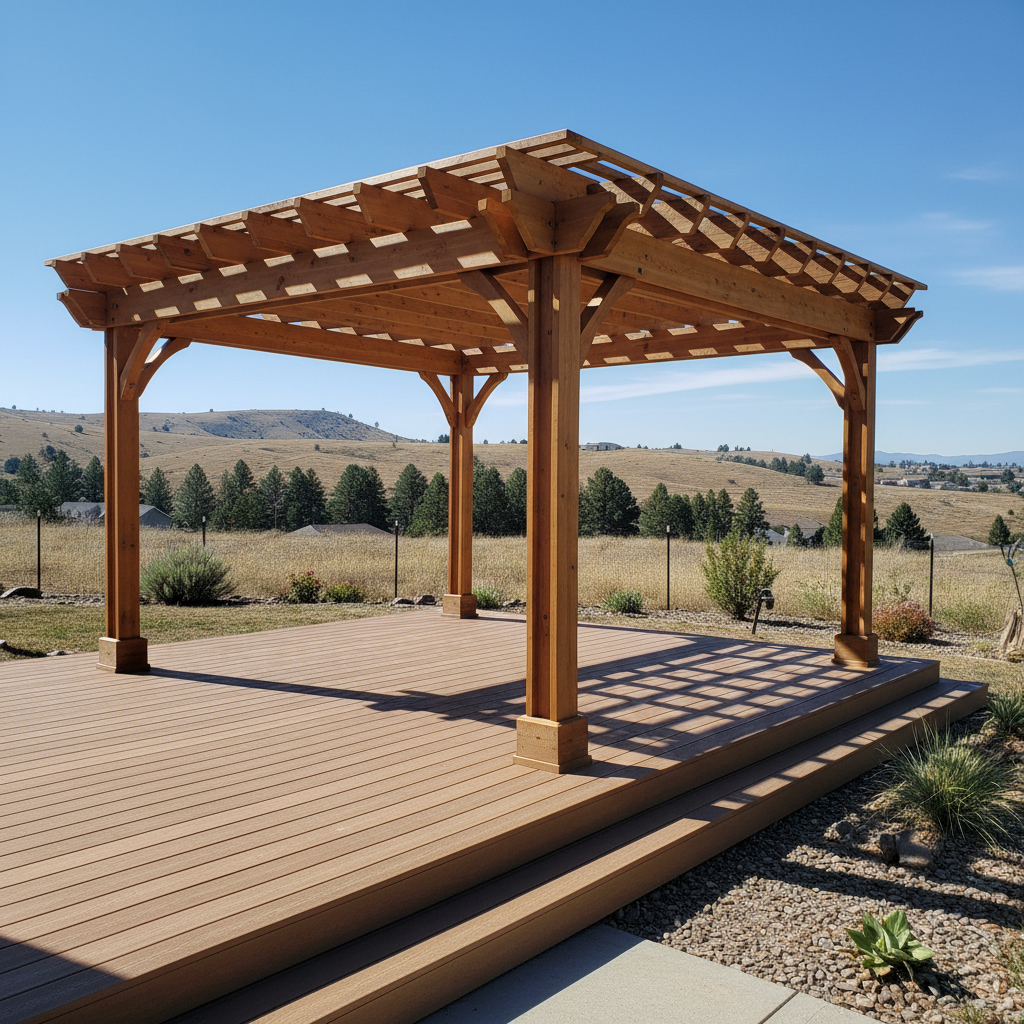
You've got a pergola, right? And chances are, it's one of your favorite spots in the whole yard. Whether it’s just a simple shade structure or a full-blown outdoor living area, you want it to last. Here in Richland, with our scorching summers and those occasional winter winds, keeping it in good shape isn't just a nice idea—it's absolutely necessary. I've seen countless pergolas over the years, and believe me, a little care ahead of time makes a huge difference.
Keeping Your Pergola Alive in the Desert
The best thing you can do to make your pergola last is to shield it from the weather. We get a ton of sun here in the Tri-Cities. That UV light is brutal on wood, and even composite materials can fade over time. If you have a wood pergola, a good quality stain or sealant is your absolute best friend. I usually tell people to put a fresh coat on every two to three years; it really depends on the product and how much direct sun your pergola gets. Don't skimp on this, either. A better product will protect longer, saving you work later.
Now, if your pergola is composite or vinyl, you don't have to worry about staining, which is a big plus. But they still need cleaning, and you should definitely check them for any loose screws or damage. Our dry climate generally helps prevent rot compared to wetter places, but those wild temperature swings can still put a lot of stress on the materials.
Regular Maintenance: What You Should Actually Be Doing
Think of it like changing the oil in your car. A few simple tasks throughout the year will keep your pergola looking great. I generally suggest folks do a quick once-over twice a year: once in the spring, after winter has done its thing, and then again in the fall before the really cold weather kicks in.
- Clean it regularly: Dust and pollen, especially from our spring winds, can really pile up. Usually, a simple hose-down with water and a soft brush for tougher spots is all you need. For stubborn grime or mildew (yes, it can happen even here if it's shaded and damp), a mild soap solution works wonders. Just be sure to rinse it really well.
- Check fasteners: Nuts, bolts, screws – go over them all. Our ground can shift a bit, especially if your pergola sits on a concrete pad that's settled, and that movement can stress the connections. Tighten anything that feels loose. If you spot any rust, deal with it.
- Look for rot or insect damage (wood pergolas): Pay extra attention to the posts where they meet the ground or concrete. Even treated wood can eventually rot if it stays wet. Look for soft spots, weird discoloration, or small holes that might mean pests are around. Our dry climate usually keeps termites away compared to other parts of the country, but carpenter ants or beetles can still be a problem, especially if there's any moisture.
- Trim nearby plants: Keep trees and shrubs from growing into or rubbing against your pergola. Branches can rub and cause damage, and leaves can trap moisture, which leads to all sorts of issues.
Warning Signs You Really Shouldn't Ignore
Sometimes, problems just creep up on you. Knowing what to look for can save you a lot of headache and money. Don't wait until something actually breaks to do something about it.
- Cracks or splits in wood: Small hairline cracks are often normal as wood ages and dries, but big, deep cracks can really mess with the structure.
- Wobbly posts or beams: If your pergola feels less steady than it used to, that's a big red flag. It could be loose fasteners, or something more serious with the footings.
- Sagging beams: This is a clear sign of structural stress. Seriously, don't ignore it.
- Discoloration or mildew: If cleaning doesn't fix it, it might point to a more persistent moisture problem or even rot starting underneath the surface.
- Peeling or flaking stain/paint: This means your protective coating isn't doing its job anymore, leaving the wood exposed to the elements.
- Rusting hardware: If bolts or connectors are rusting, they're getting weaker and need to be replaced.
When to Call a Professional
Listen, I'm all for DIY when it's safe and you know what you're doing. But some jobs are really best left to the pros. If you see any of those serious warning signs—like major wobbling, sagging, or widespread rot—it's time to call someone like us at Skyline Decks Richland. We've got the experience to figure out the problem correctly and fix it safely. Trying to prop up a failing structure yourself can be dangerous, and honestly, it often just leads to more expensive repairs down the road.
Also, if you're dealing with a lot of wood rot, or if you think you have a pest infestation that's gone deep into the wood, a professional assessment is crucial. We can tell you if it's a simple fix or if some sections need to be completely replaced. Sometimes, what looks like a small problem on the surface turns out to be a much bigger deal once you start digging into it.
Don't hesitate to reach out if you're not sure about something. A quick inspection can really give you peace of mind and help keep your pergola a beautiful, safe spot for your family to enjoy for many, many years.