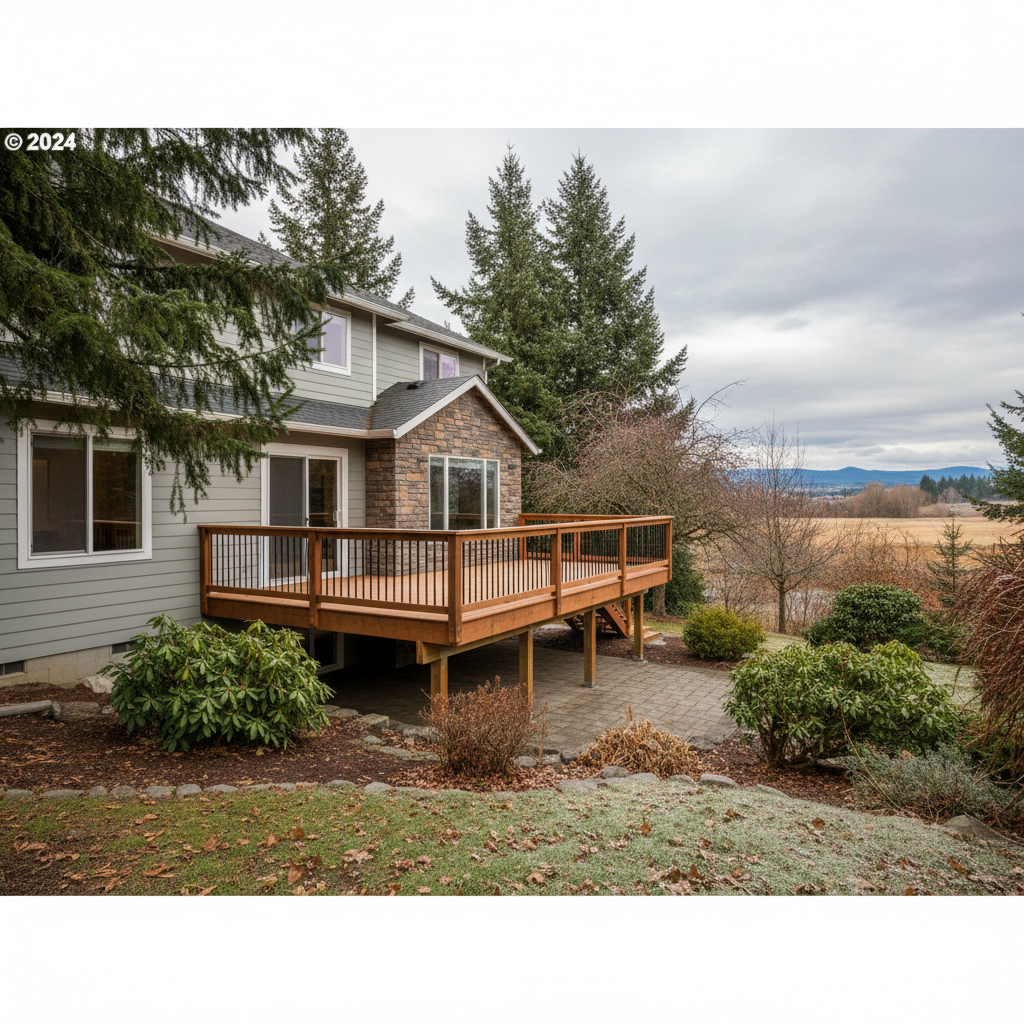
When's the best time to build or maintain a wooden deck around here? That's a question I get asked a lot. And honestly, the answer isn't always straightforward because our Richland weather likes to keep us on our toes. You've got to think about more than just the temperature; humidity, wind, and even those sudden dust storms all play a role in how long your deck will last and when it's smart to work on it.
Understanding Our Unique Richland Climate
Our desert climate is a double-edged sword for wooden decks. We get those scorching hot summers with low humidity, which can really dry out wood fast. Then we have cold, sometimes wet winters, often with freezing and thawing cycles that put stress on materials. It's not like building a deck on the coast where humidity is consistently high, or in a place with heavy, constant rain. Here, the wood is constantly expanding and contracting, drying out, and then getting a sudden dose of moisture. This cycle is what leads to cracking, warping, and fastener issues if you don't take care of things.
Think about the homes out in Badger Mountain South or those older places near the Columbia River — they all face the same environmental challenges. The sun beats down, the wind whips through, and that dry air just sucks the moisture right out of everything.
When to Build or Repair Your Deck
For building a new deck or doing major repairs, I usually tell folks that spring and fall are your best bets. Why?
- Spring (April to early June): The ground isn't frozen, temperatures are mild, and you usually get enough moisture to keep the wood from drying out too quickly while it's acclimating. Plus, it gives the new wood or fresh stain time to cure before the brutal summer sun hits.
- Fall (September to October): Similar to spring, the heat of summer has passed, but it's not yet freezing. This is a great window for staining or sealing because the wood can absorb the product properly without it drying too fast or getting washed away by heavy rain.
Summer can work, especially in early summer before July and August really kick in, but you've got to be careful. If you're staining, the product can dry too fast, leading to uneven application. And working in 100-degree heat isn't fun for anyone, including my crew at Skyline Decks Richland.
Winter? Forget about it for most major work. Freezing temperatures mean stains won't cure, adhesives won't bond, and working with frozen lumber is just asking for trouble. Small repairs, maybe, but anything significant should wait.
Protecting Your Investment Year-Round
Alright, so you've got your deck. Now how do you keep it looking good and lasting for years in our tough climate? It's all about proactive maintenance.
Spring Cleaning and Sealing
Once the last frost is gone, give your deck a good cleaning. A pressure washer on a low setting can work wonders, but be careful not to damage the wood fibers. A good deck cleaner designed for wood is usually safer. Once it's clean and dry, this is your prime time to re-seal or re-stain. A quality penetrating sealer will protect the wood from UV damage and moisture fluctuations, which are huge here. Don't skip this step; it's the single most important thing you can do to extend your deck's life.
Summer Watch
During those long, hot summers, keep an eye out for any signs of excessive drying or cracking. If you have potted plants, make sure they aren't sitting directly on the wood, trapping moisture underneath. Move them around occasionally. Sweep off any debris regularly to prevent mold or mildew from forming during those brief periods of higher humidity or after you water your plants.
Fall Prep
Before the cold sets in, do another quick clean. Check for any loose boards, protruding nails, or screws that might have popped up due to wood movement. Tighten them down. If your deck looks like it needs another coat of sealer, and the weather is mild enough, go for it. It's better to have that protection in place before winter.
Winter Care
Our winters aren't usually heavy snow, but we do get ice and some wet periods. Avoid using metal shovels on your deck if you get snow, as they can scratch the surface. A plastic shovel or broom is better. If you need to de-ice, use a deck-safe product; rock salt can be corrosive and damage wood and fasteners. Mainly, just keep it clear of debris and let it breathe.
Taking these steps throughout the year will make a huge difference. It's not just about making your deck look nice; it's about preventing costly repairs down the line. A little effort now saves you a lot of headache later, especially with the kind of weather we get here in Richland.