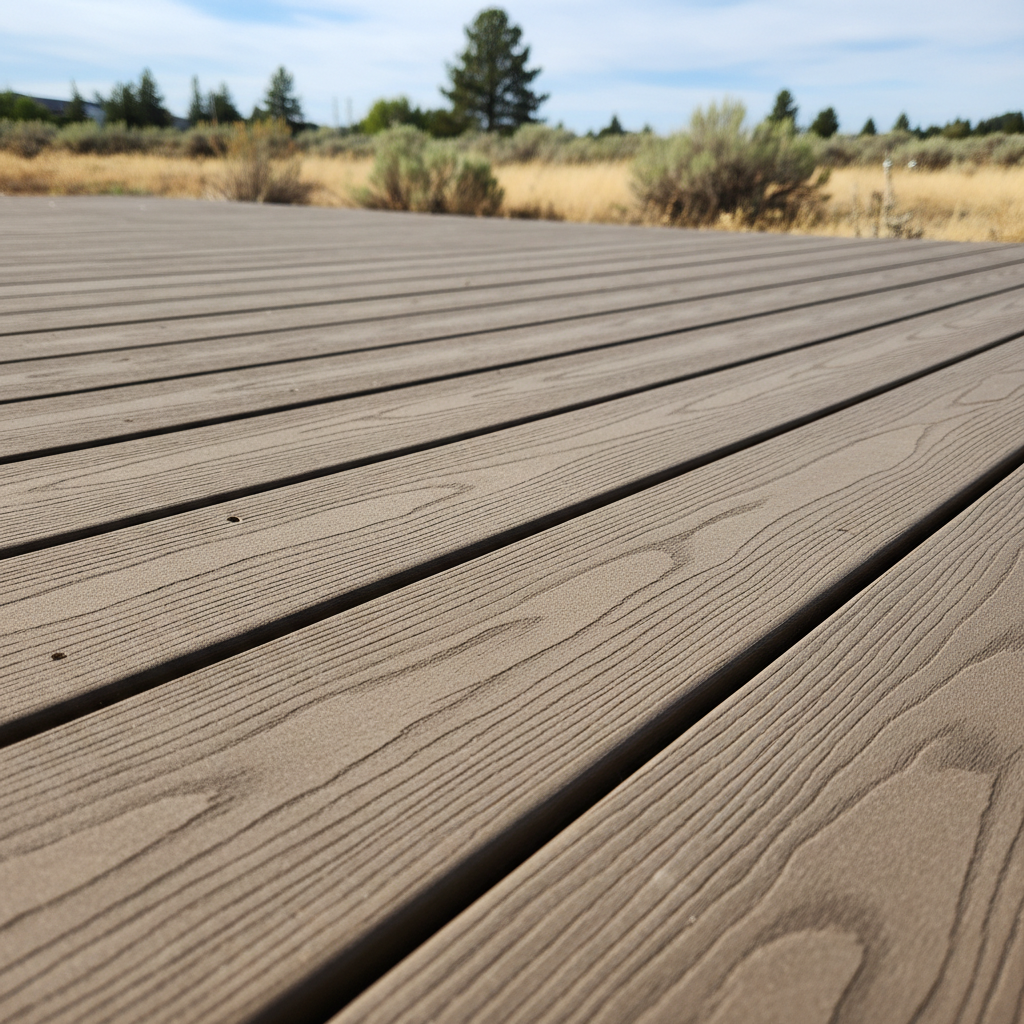
Alright, so you're thinking about a Trex deck for your place here in Richland. Smart move. They're tough, don't need much looking after, and honestly, they just look fantastic. But the big question I hear a lot is, "Can I build this myself, or do I really need to hire someone?" It's a fair question, and the answer isn't always a simple yes or no. Let's dig into what you should know before, during, and after the project, and where that line between DIY and calling a pro usually falls.
Before You Even Think About Digging
Before you pick up a single tool, you've got to do your homework. This isn't just about picking out a color, you know; it's about really understanding the whole job. First things first: permits. You absolutely need one for a deck project in Richland. Seriously, don't skip this step. The city's building department is there to make sure everything's built safely and up to code, and believe me, getting caught without one is a headache you'll regret. They'll want to see your plans, and those plans need to follow local zoning and structural rules. This is often where a lot of DIYers hit their first snag. Designing a deck that's solid, meets code, and fits your yard just right takes some specific knowledge.
Then there's the foundation. Here in Richland, with our sometimes-clayey soil, getting the footings right is super important. You can't just plop some concrete blocks down and call it a day. Those footings need to go below the frost line to stop shifting and heaving, which can really mess up your deck over time. If you're comfortable with digging, pouring concrete, and figuring out load-bearing calculations, then maybe you're all set. If not, this is a prime spot to bring in someone who does this day in and day out.
During the Build: Where Things Get Real
Okay, so you've got your permits, your design, and your materials. Now for the actual building. The framing is the backbone of your deck. It has to be precise. Joists need correct spacing, ledger boards must attach properly to your house (and this is critical for safety – don't cut corners on proper flashing and fasteners here), and everything needs to be perfectly level and square. If your frame isn't right, your Trex decking won't lie flat, and you'll end up with an ugly, maybe even unsafe, deck. Cutting and screwing down Trex boards themselves isn't rocket science, but it does demand attention to detail, especially with hidden fasteners and making sure there's consistent gapping for expansion and contraction. Trex boards expand and contract more than wood, and if you don't plan for that, you'll see buckling or gaps that are just too wide.
Stairs and railings are another big one. Building code for stairs is surprisingly strict – rise, run, handrail height, baluster spacing – every bit of it has to be just so. This isn't just about how it looks; it's about keeping people from falling. If you're not confident in your carpentry skills for precise cuts and angles, especially for stringers, this is another spot where a pro can save you a lot of grief and potential safety issues. I've seen plenty of DIY stair projects that just didn't quite make the cut.
What You Can DIY (and When to Call Skyline Decks Richland)
Look, if you're handy, own a good set of tools, and have some experience with construction projects, you can absolutely tackle parts of a Trex deck build. Tearing down an old deck, digging footings (if you're careful and understand the requirements), and even laying the decking boards themselves can be within reach for a skilled homeowner. Things like painting or staining any accompanying wood elements (like a pergola or trim) are also totally doable.
However, when it comes to the structural stuff – the foundation, how the ledger board attaches, the main framing, and complex stair or railing systems – that's where I usually tell folks to really think about calling in a pro. We've got the experience, the specialized tools, and the know-how to get it done right the first time, safely and up to code. It's about peace of mind, and frankly, avoiding costly mistakes down the road. Fixing a poorly built deck is always more expensive than building it right from the start, isn't it?
After the Project: Enjoying Your New Space
Once your Trex deck is built, whether you did it yourself or hired us at Skyline Decks Richland, the "after" part is pretty simple. That's one of the big perks of Trex. You don't have to sand, stain, or seal it every year like a wood deck. A basic cleaning with soap and water, or a pressure washer on a low setting, is usually all it takes to keep it looking good. Just make sure you're using a cleaner approved for composite decking to avoid any problems.
Keep an eye out for any debris that might get stuck between boards, especially if you have a lot of trees around. Leaves and dirt can hold moisture and encourage mold growth if you leave them. But overall, the maintenance is minimal. You've invested in a durable product, and with a little care, it'll serve you well for years to come, letting you enjoy those beautiful Richland evenings without a lot of fuss.
Final Thoughts
Building a Trex deck is a big project. Be honest with yourself about your skills, your time, and how comfortable you are with complex construction. There's no shame in knowing your limits and bringing in experts for the parts that are beyond your scope. It's all about getting a safe, beautiful, and lasting outdoor space for your home.